

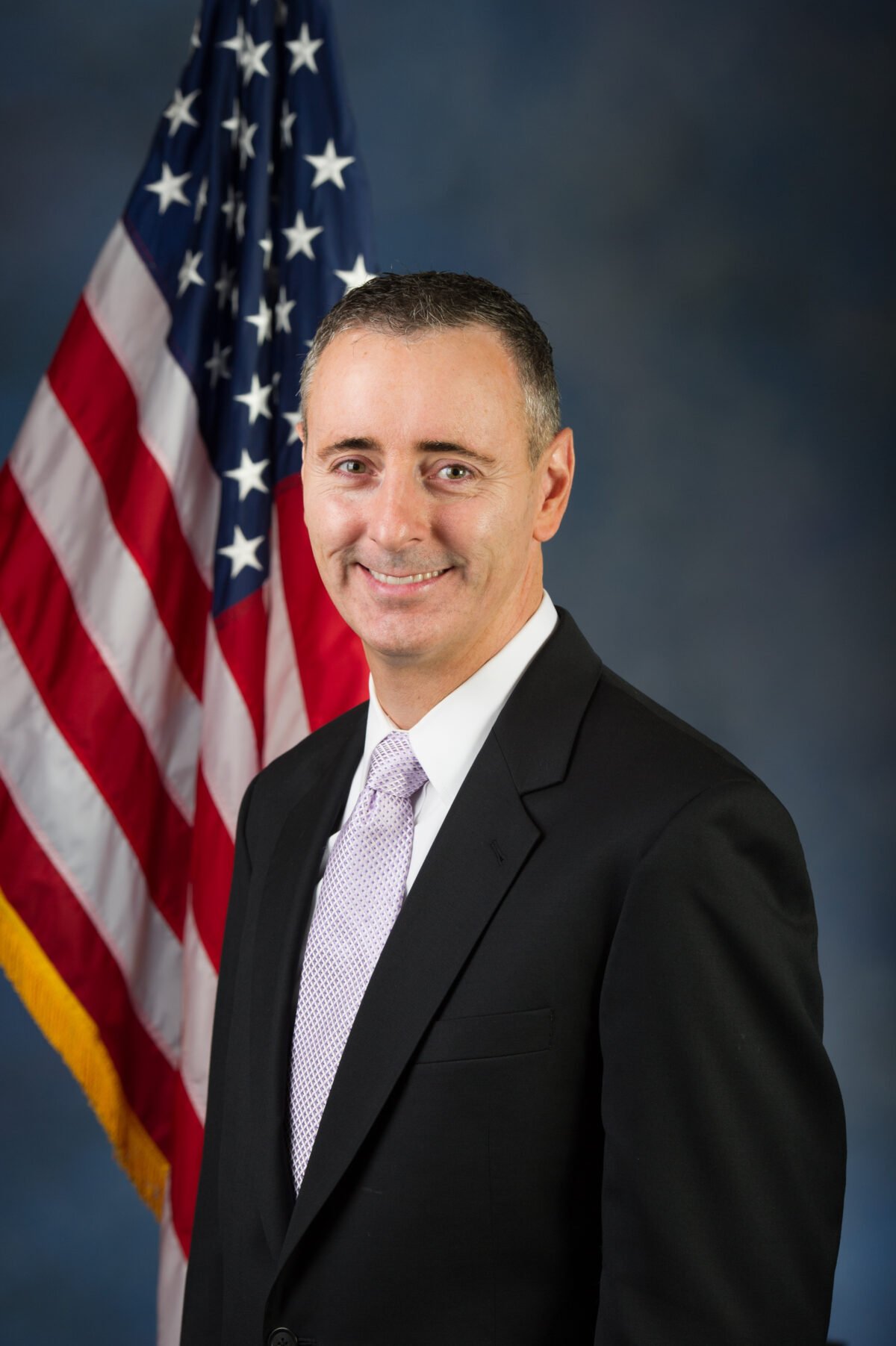
HARRISBURG, Pa. — Pennsylvania Gov. Josh Shapiro’s support for legislation opening partisan primaries to unaffiliated voters has revived attention on Republican U.S. Rep. Brian Fitzpatrick’s earlier statement that he would register as an independent if the state abandoned its closed-primary system.
The development has prompted speculation that Fitzpatrick could leave the Republican Party, but several distinctions are important: Shapiro has not changed Pennsylvania’s primary rules, the legislation still must pass the Republican-controlled state Senate, and Fitzpatrick has not announced that he is changing his registration.
House Bill 280, sponsored by Democratic state Rep. Jared Solomon of Philadelphia, passed the Pennsylvania House on Sept. 29 by a 115-88 vote. Support was bipartisan but leaned Democratic: 99 Democrats and 16 Republicans voted for the measure, while 84 Republicans and four Democrats opposed it. Pennsylvania House records show.
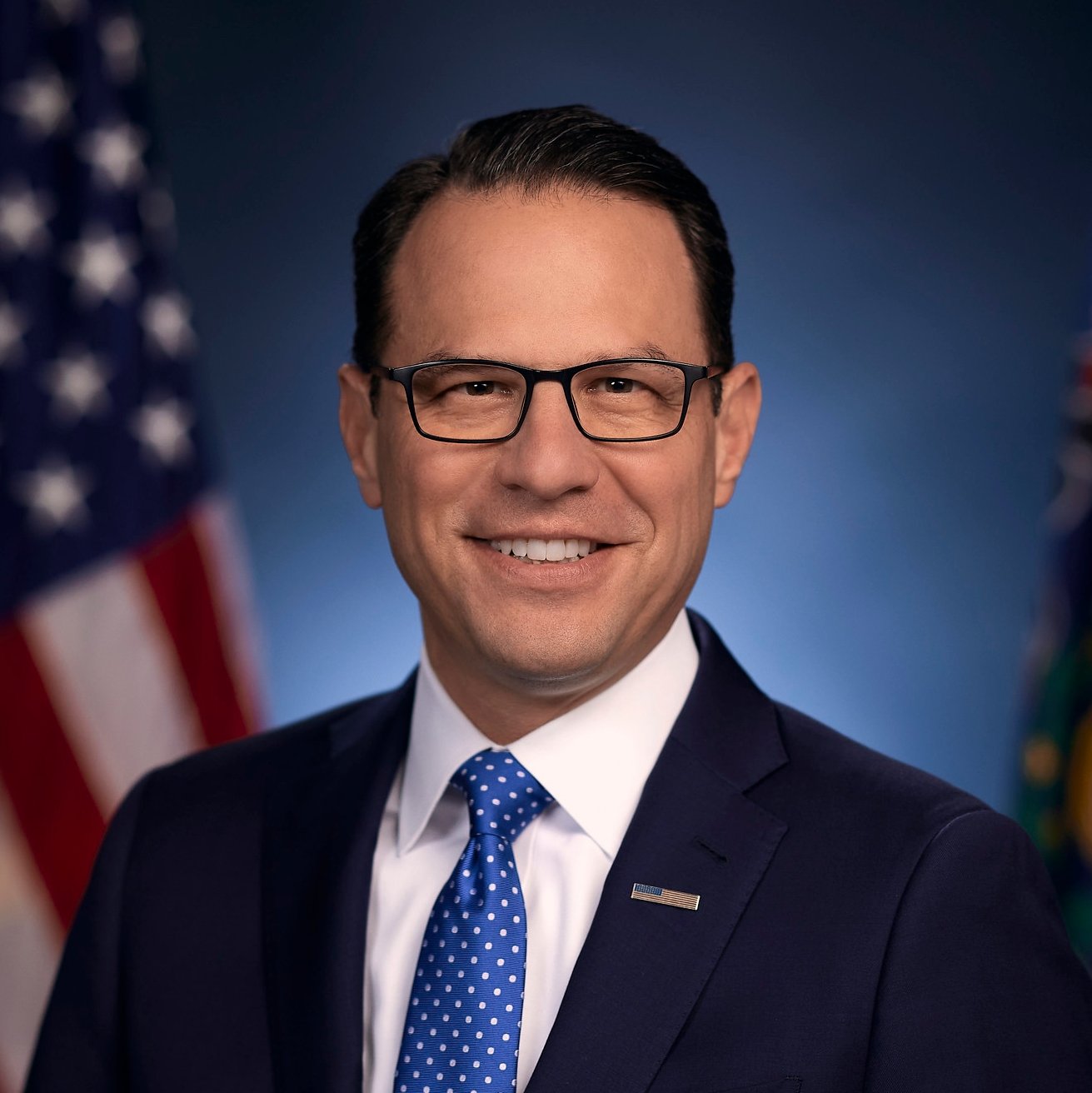
Shapiro confirmed his support over the weekend, telling reporter John Cole, “I support it.” The governor’s endorsement increases the likelihood he would sign the measure if it clears the legislature, but the bill is currently awaiting action in the Senate.
What the Pennsylvania bill would actually do
Pennsylvania currently requires voters to register with a political party to participate in that party’s candidate primary. HB 280 would create what is more accurately described as a semi-open primary system, rather than allowing every voter to participate freely in every party’s election.
The bill defines an “unenrolled elector” as a voter registered with “none” or “no affiliation,” or someone who selected “other” while clearly indicating that he or she is unaffiliated or independent. At the primary, such a voter could select the political party whose candidate ballot he or she wants to cast. That selection would apply only to that particular primary ballot and would not permanently enroll the voter in the party. The voter could choose a different party in a subsequent primary. The bill text is available from the Pennsylvania General Assembly.
The proposal also preserves a distinction between choosing a party’s nominees for public office and participating in the party’s internal organization. Unaffiliated voters would remain barred from voting for party committee members, convention delegates and other party officers.
That distinction has fueled some of the opposition to the measure.
Republican state Rep. Wendy Fink argued during House debate that a primary is principally a process through which political parties choose their nominees, not the equivalent of a general election. Democratic Rep. Greg Vitali offered a similar objection from the other side of the aisle, arguing that voters who deliberately decline to affiliate with a party should not necessarily be entitled to help select that party’s standard-bearer.
Supporters counter that more than 1 million Pennsylvania voters are excluded from the major parties’ candidate primaries under current law even though taxpayers finance the elections. The reform effort itself is not exclusively Democratic. A parallel proposal in the state Senate, Senate Bill 400, is sponsored by Republican Sen. Dan Laughlin and Democratic Sen. Lisa Boscola and has co-sponsors from both parties. It has remained in the Senate State Government Committee since April 2025.
Fitzpatrick has already said he would become independent
Fitzpatrick’s possible departure from the Republican Party is not merely outside speculation.
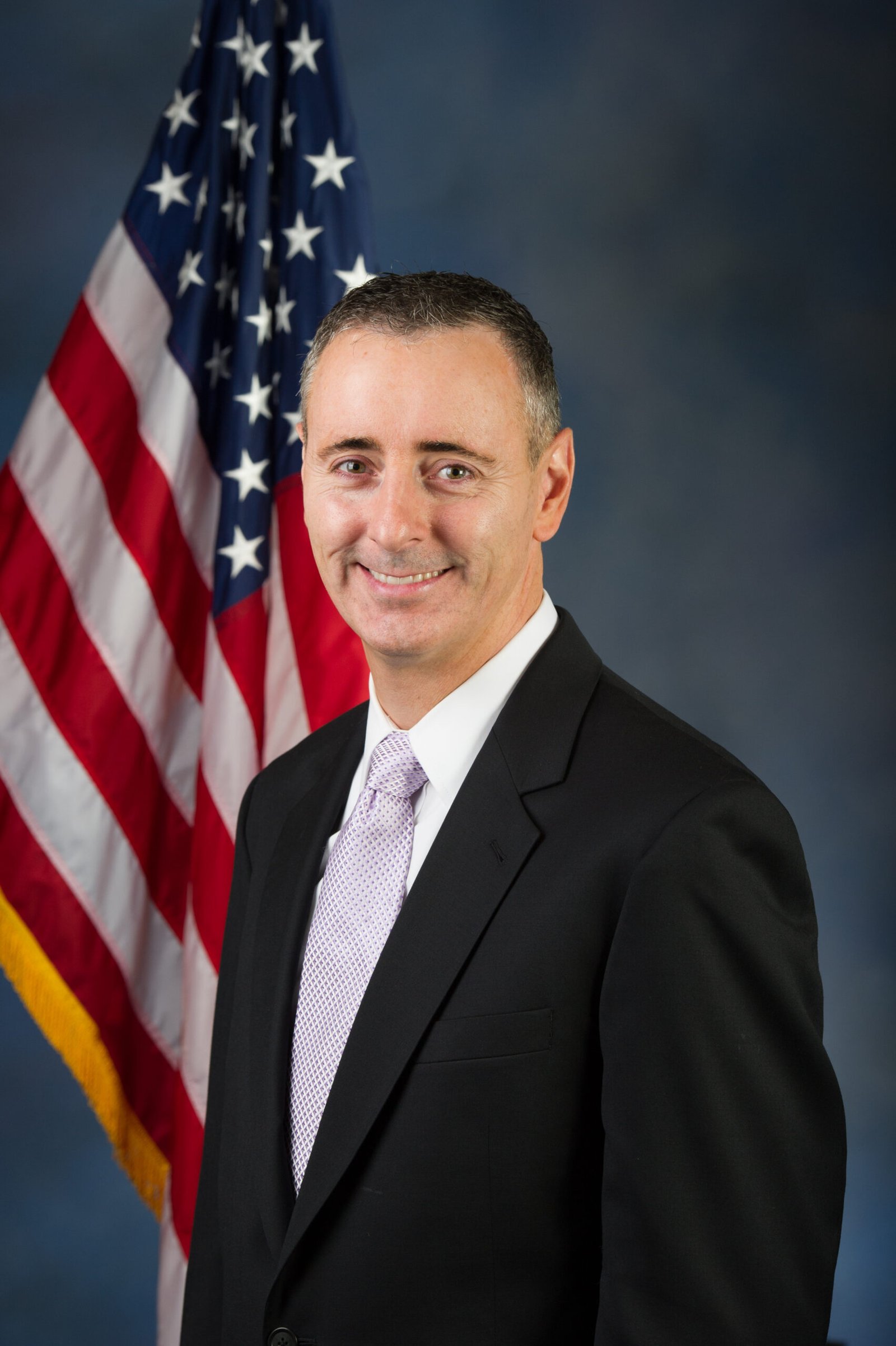
During an April interview with Punchbowl News, co-founder Jake Sherman asked Fitzpatrick why he did not simply become an independent.
Fitzpatrick responded that Pennsylvania’s closed-primary system was the reason.
When Sherman then asked whether he would become independent if that obstacle disappeared, Fitzpatrick replied, “100%.” Punchbowl subsequently reported that Fitzpatrick said he wanted more voters to break from rigid party affiliations and described himself as deeply dissatisfied with the two-party system.
The distinction between becoming an independent and switching parties is significant. An independent voter has no formal party affiliation. Nothing in Fitzpatrick’s comments indicated that he planned to become a Democrat, and there is currently no evidence that he has changed his voter registration.
Nor has Fitzpatrick publicly specified whether changing his registration would affect his membership in the House Republican Conference, his committee positions or the party designation under which he would seek future election. Voter registration, congressional caucus membership and ballot status are related political questions, but they are not automatically the same thing.
Fitzpatrick, who chairs the bipartisan House Problem Solvers Caucus, has long cultivated a politically independent image while remaining a Republican. He has also praised politicians in both parties while criticizing what he calls excessive partisanship.
After Shapiro’s endorsement of HB 280 became public, Fitzpatrick praised the governor and pointed to his own federal legislation, the Let America Vote Act, which would require states to allow unaffiliated voters to participate in federal primary elections.
Fitzpatrick introduced the proposal in the current Congress as H.R. 155 on Jan. 3, 2025. The measure would allow an unaffiliated voter to participate in one party’s federal primary without becoming a member of that party. It has remained at the committee stage and has not been enacted. The bill is available through GovInfo.
Agreement on primaries does not make the two allies
Shapiro and Fitzpatrick’s agreement on primary reform should not be confused with a broader political alliance.
Shapiro, a Democrat, has backed Democratic efforts to defeat Fitzpatrick in Pennsylvania’s competitive 1st Congressional District. Fitzpatrick nevertheless has spoken favorably about Shapiro personally and has said the governor would be a credible presidential candidate. That fits Fitzpatrick’s broader effort to position himself outside the sharper partisan divisions in Washington, but it does not erase their partisan differences.
The immediate question therefore is not whether Shapiro has already “opened the door” for Fitzpatrick to change parties. Pennsylvania’s primaries remain closed today.
What has changed is that legislation removing the specific obstacle Fitzpatrick previously cited has now passed one chamber of the General Assembly and has the governor’s support. If the Senate also approves the measure and Shapiro signs it, Fitzpatrick would face the choice he described in April: remain a registered Republican despite his objections to the two-party system, or follow through on his statement that he would become an independent.
For now, that decision remains hypothetical.